

 |
| View Here |
I have been working around the clock to finish my first installment of the Word Study Binder Buddy! I came up with the term binder buddy last spring when I was thinking about the different ways to support my students while developing independence. Last spring the Binder Buddies that I created were designed for literacy and math and supported my students with basic terms and concepts. This made for a great reference when necessary and students could refer to it when they needed to. Not only did my students benefit from using them, but they are also the top selling items in my TPT store!
As I prepared for teaching 2nd grade this year, I thought a great deal about how I would teach language skills and phonics. When I taught in the lower grades previously I always used word study. I also used word study as a core component in the tutoring program I developed a few years back. Thinking about my binder buddy concept I decided to develop the Word Study Binder Buddy. My reasoning behind this is because I am not a big fan of worksheets and "chalk and talk". Instead I prefer to build engagement with hands-on/minds-on activities that require students to practice important skills both independently and with guided support when necessary. When I thought about the binder buddy as a resource, I knew I wanted it to be a tool that students could use in school and/or at home. Primarily, I want my students to develop a nightly routine for practicing their word study skills to help improve their reading and writing. The Word Study Binder Buddy comes with materials for a teacher resource binder and a student resource binder. I added everything I thought I would need to start with beginning word study within the first few weeks of school. Right now I only have the Letter Name stage complete. I am hoping to finish the Within Word stage in the next two weeks. I know that I will have students in both stages of development so having both binders completed will provide me with the tools to differentiate instruction.
If you are interested, here is what my word study instruction will look like.
To begin, word study is a multi-sensory approach to teaching phonics. By focusing on word patterns, students are taught how to make connections and apply spelling rules instead of memorizing how to spell words in isolation. Word study teaches students how to think about words and how they are read, spelled and written. It encompasses phonics, vocabulary and spelling. Different from the traditional way of teaching spelling, word study provides many opportunities for students to manipulate spelling patterns by sorting words, building new words and identifying sounds based on what they see and/or hear. Word study is great for differentiating instruction, students can work on different levels and patterns as needed. Finally, word study helps to build fluency and automaticity in students' reading and writing. Students enjoy word study activities.
Introducing the sort (word walk): Begin
by holding up each word card and ask the students to identify the word
that they see. Ask the student to tell you what the words mean. This also helps
to build vocabulary and informally assess their prior knowledge. Encourage
students to give you alternative words for each word they discuss during this
activity. Throughout this process, students’ vocabulary will continue to grow.
Next,
model the sort for the student/group by placing flat a key word for each of the
highlighted word patterns/categories.
Take a card from the pile and say it out loud with an emphasis on the
word pattern. Model for the students how you will match the sound in this word
card to one of the key words. Think out loud for your students and demonstrate
how you match the words correctly. As you sort the word cards, be sure to say
the entire list after adding a word. For example, when placing the word had
under
sad,
you
would reread and point to each word as you read the list by saying sad,
had…when you add pad you would point and read: sad, had, pad.
This reinforces the pattern for the students and prepares them for
self-correcting when necessary.
Before
sending students back to their seats, have them complete a practice sort.
Correct students as necessary by rereading each key word when an error is made.
Emphasize the ending sound and guide students to self-correct. It is a best
practice to prompt students to self-check even if a mistake isn’t made to get
students in the habit of consistently checking their work.
Open Sort
An
open sort is a sort that requires students to read the word and add it to the
appropriate list. They are using visual discrimination when sorting. Students
are encouraged to say each word out loud when matching so that they get used to
identifying the patterns based on sound.
Blind Sort
This
sort does not allow the students to rely on visual cues. Instead they are
listening for the word patterns and sorting them based on sound. This sort is
done once students show confidence with open sorts. This can be done with the
teacher/coach or buddy. If done with a buddy, there should be some sort of
self-check guide answer key available.
Writing Sort
Similar
to a spelling test, writing sorts are done by writing words under the correct
heading/key word. This is done on paper, the cards aren’t sorted for this
unless you feel the student needs the additional support (it can be done with
the cards to differentiate when necessary). This can be done independently, in
a small group or with a buddy. When this is done without the teacher, students
should have an answer sheet available to encourage self-checking once the sort
is done. *As the student writes, remind them to say the each sound out loud.
Speed Sort
Students
love speed sorts; they see this as sort of a contest or game. This type of sort
is done once your child displays fluency with sorting words appropriately. By
completing a speed sort, students practice automaticity. You can set a timer,
or have students race each other. Even when conducting a speed sort, students
should read each word before sorting and reread the list after sorting. When
conducting the sort with the student, use a signal to indicate a mistake. When
a mistake is made, direct your child to remove the card from the list, read the
word aloud, read each keyword aloud and then attempt to match the word
appropriately. This is to prevent them from guessing. It also encourages them
to try to get the word right on the first try.
Word Hunt
When
conducting a word hunt, have the students look through current books they are
reading to find additional words that
use the features they have been studying.
Here is what my Word Study Binder Buddy (Letter Name Stage) includes:
 |
| View Here |
Teacher Resource Binder
Assessment tools
Master list of all of the word patterns to be sorted in the Letter Name stage
Sounds Boards (short vowel sounds)
Master copy of student recording forms
Teacher's instructional sorting cards


The teacher's sorting cards can be printed on different colored paper. I got this pocket chart from Target for only a dollar! I will use the smaller charts for students to sort when working independently and my larger pocket charts when working in a small group.

Student Resource Binder
Parent information and directions on how to conduct sorts at home
Weekly recording log and parent communication log
Student sorting cards for every sort pattern in the letter name stage
Recording forms for sorting
Student data form for recording progress
Dividers for each section of their binder


To support word study instruction, I also made a variety of games that can be played during reading workshop/ center time that reinforce the spelling concepts that students are working on. I will be doing Daily 5 this year and these are some of the games that will be available when students are working with words. The bundled set can be purchased here.
My Flip Book resource is perfect for reinforcing new spelling concepts immediately after they have been taught. This resource has all of the short vowel sounds and can be differentiated when necessary. Students can work on this activity independently or in a small group.
 |
| View Here. Click HERE to purchase the BUNDLED SET |
 Once the book is completed, they can flip through to read the different words with a partner. | ||
|


| When necessary, teachers can differentiate by providing students with the word to help support students who need it. |
 |

This file folder game is great for reinforcing spelling sorts after they have been introduced, or to provide additional independent practice.
 | |
|
 |
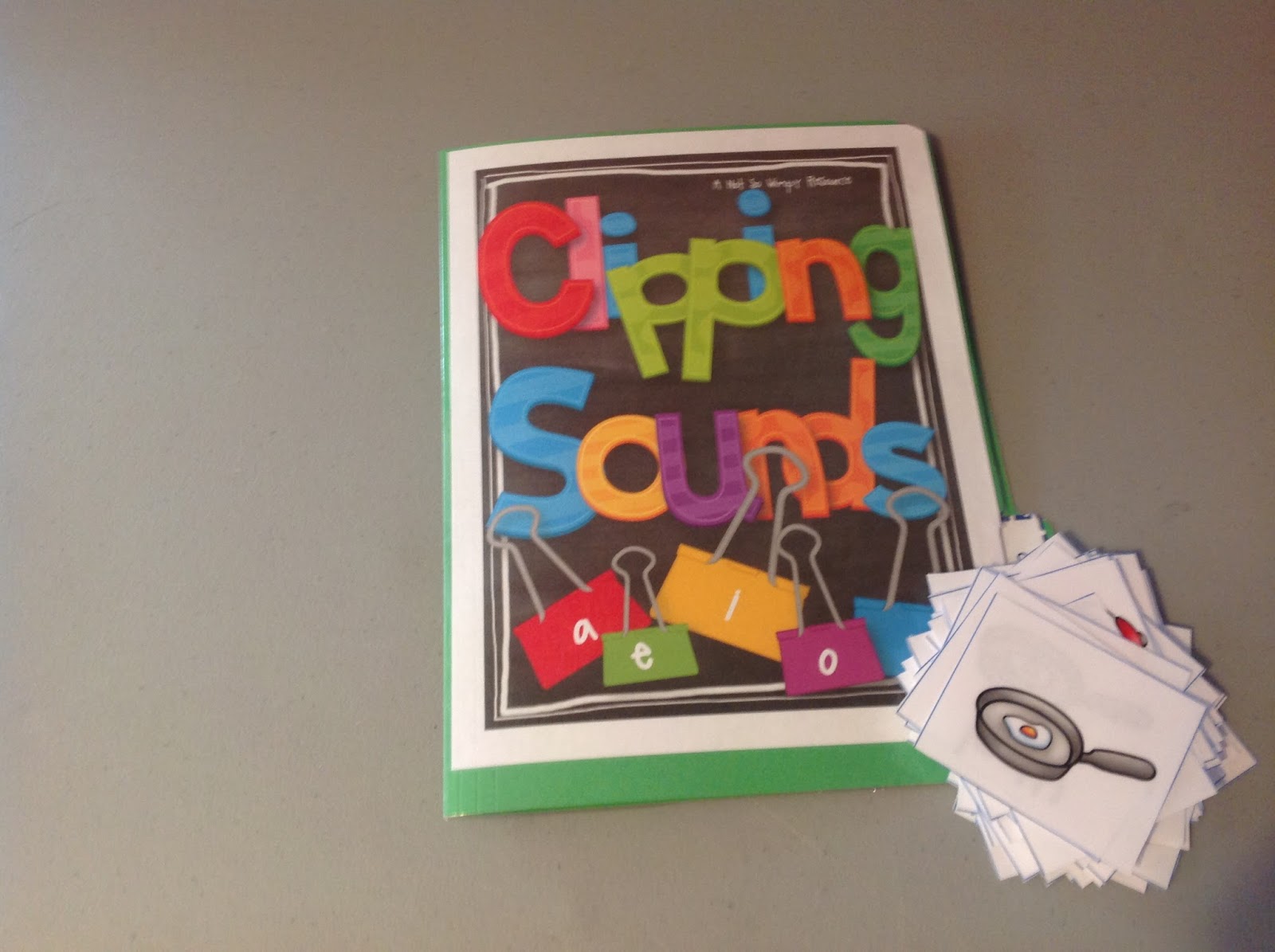
| Clipping Sounds is great for discriminating sound. Students complete the sort based on the sound they hear and place their picture cards over the correct short vowel. |
 |
 | |
|
Students can self-check once they are done by matching the word cards and the picture cards.

 | |
|


 | |
|
You can purchase the Word Study Binder Buddy alone or as a bundled set! The bundled set will include all of the games posted above! All of my games are easy to create (simple to print, cut and paste). I understand that even after you purchase this set, you still have to print it out and spend time assembling which is why I offer them at a lower price.
Enjoy : )


